Folge Nummer Drei der Voice Detective Show mit Ken Laing AM Musikmanager, Eventproduzent, künstlerischer Leiter und musikalischer Koordinator
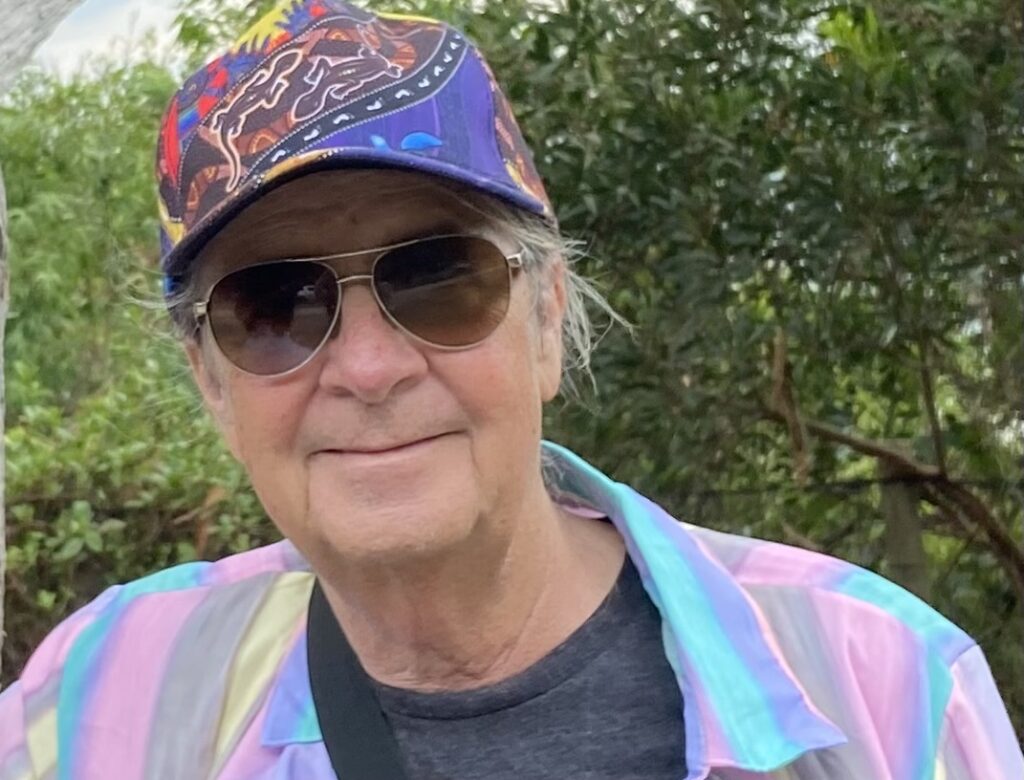
Im Laufe seiner herausragenden Karriere gibt es praktisch keinen international tourenden Künstler, dessen Australien-Tournee Ken nicht organisiert und koordiniert hat.
MONTSERRAT CABALLÉ, 12. APRIL 1933
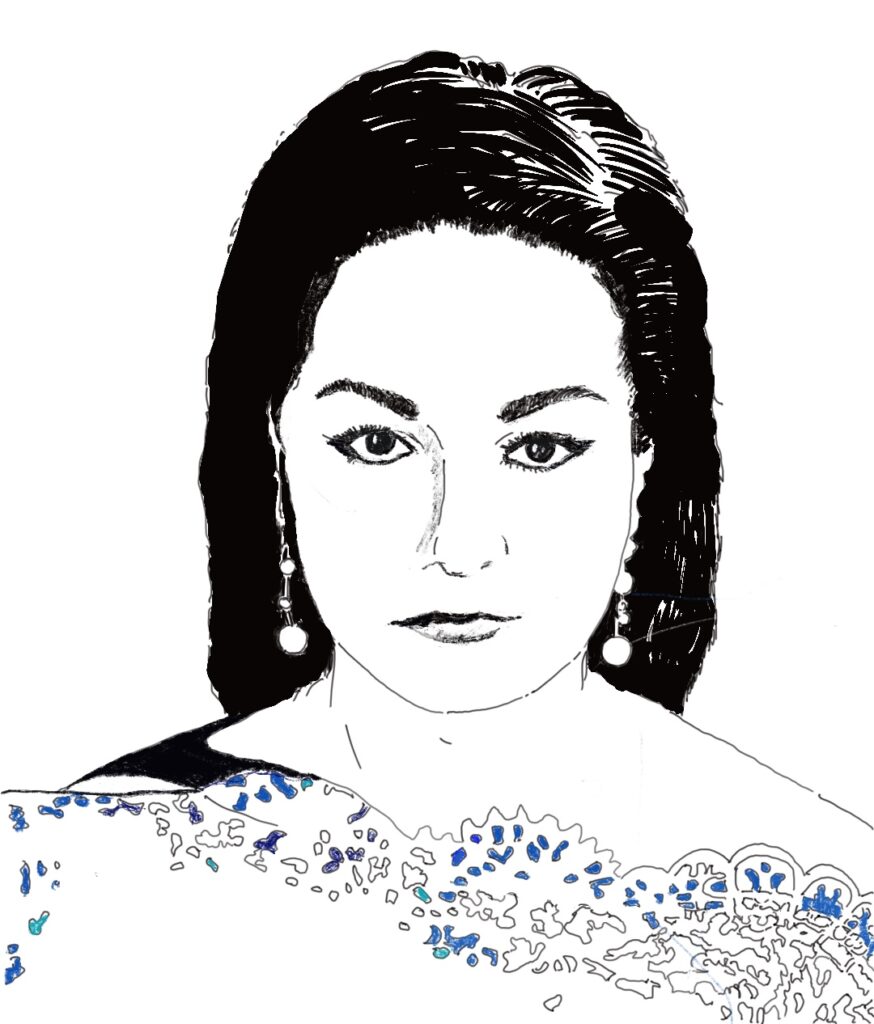
Keine Diva seit Menschengedenken hat einen derart umfassenden Teil des Sopranrepertoires gesungen und dabei praktisch die gesamte Bandbreite italienischer leichter Lyrik, LIRICO-SPINTO und dramatischer Rollen abgedeckt …
MONTSERRAT CABALLÉ, 12. APRIL 1933
Keine Diva seit Menschengedenken hat einen derart umfassenden Teil des Sopranrepertoires gesungen und dabei praktisch die gesamte Bandbreite italienischer leichter Lyrik, LIRICO-SPINTO und dramatischer Rollen abgedeckt …
FRANCO CORELLI, 8. APRIL 1921
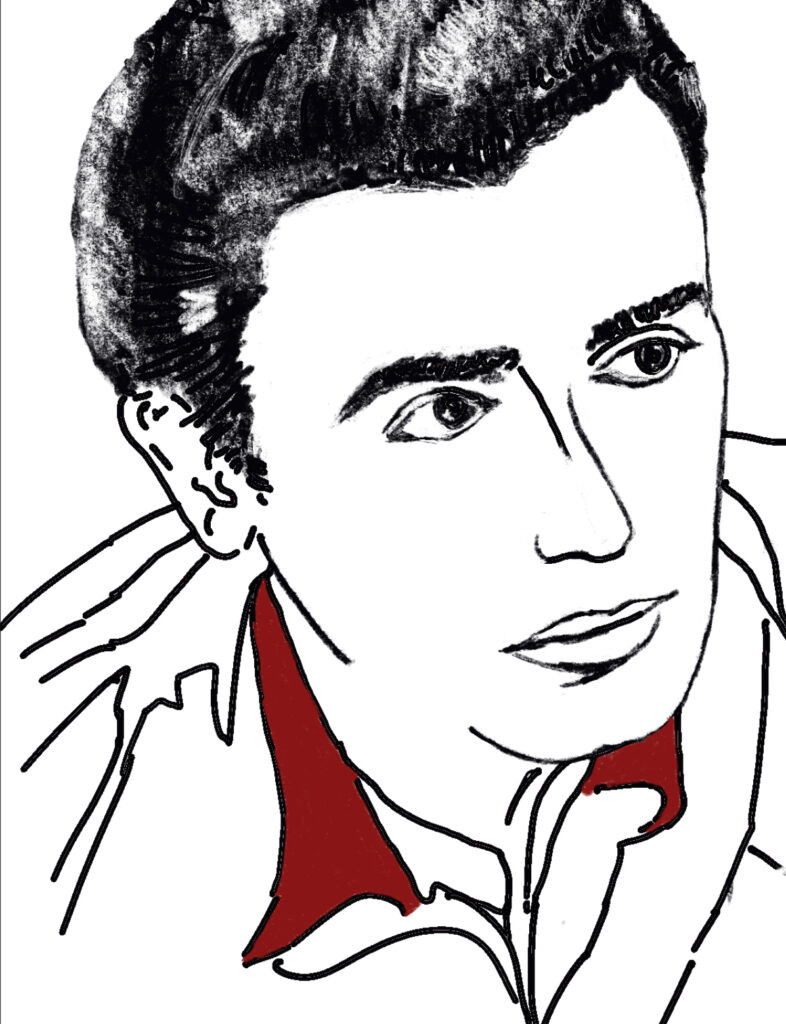
In den Tagen, bevor es „Könige“ gab, wurde Franco Corelli als „Fürst der Tenöre“ gefeiert. Es gab gute Gründe für diesen Beinamen – er besaß ein blendend klares Timbre, eine kraftvolle Spinto-Stimme, die in der Lage war, das feinste und längste Diminuendo auf einem hohen B zu spinnen (hören Sie sich nur sein Ah, leve toi soleil! aus Roméo et Juliette an) oder sein Bb morendo auf der letzten Note von Celeste Aïda). Diese bleiben unübertroffen. Sein charismatisches…
Folge Nummer zwei der Voice Detective Show mit Mimmo Matania, Akkordeonist, Musikwissenschaftler und Mitbegründer von Napulitanata

Mimmo Matania ist Mitbegründer von Napulitanata, einer Musikergruppe, die sich der Erforschung und Aufführung traditioneller neapolitanischer Musik und Lieder widmet.
Beniamino Gigli, 20. März 1890
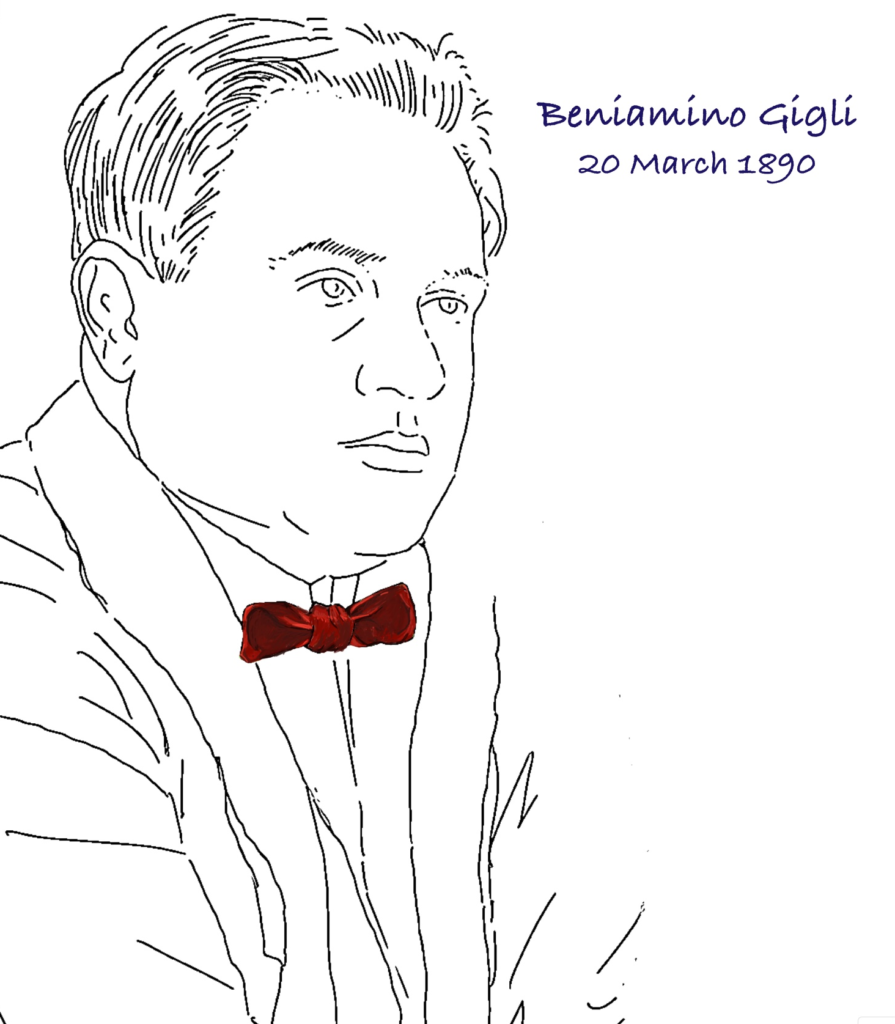
Beniamino Gigli, dessen Nachname ins Englische übersetzt „Lilien“ bedeutet, hat heute Geburtstag. Sicherlich war seine Lirico-Spinto-Stimme genauso perfekt, süß und schön wie sein Namensvetter.
Giglis Karriere erlangte im englischsprachigen Raum Superstar, als er von der Metropolitan Opera New York engagiert wurde und die wenig beneidenswerte Aufgabe hatte, nach dessen frühem und plötzlichem Tod in die Fußstapfen von Enrico Caruso zu treten. Vergleiche waren unvermeidlich; aber das war nicht der Fall
Es dauert lange, bis der honigsüße Gigli sein Publikum mit seiner flexiblen, lyrisch klingenden Stimme und der meisterhaften Umsetzung des Mezzosoprans überzeugt.
ERÖFFNUNG DER SPRACHDETEKTIVSHOW ZUM 151. GEBURTSTAG VON ENRICO CARUSO
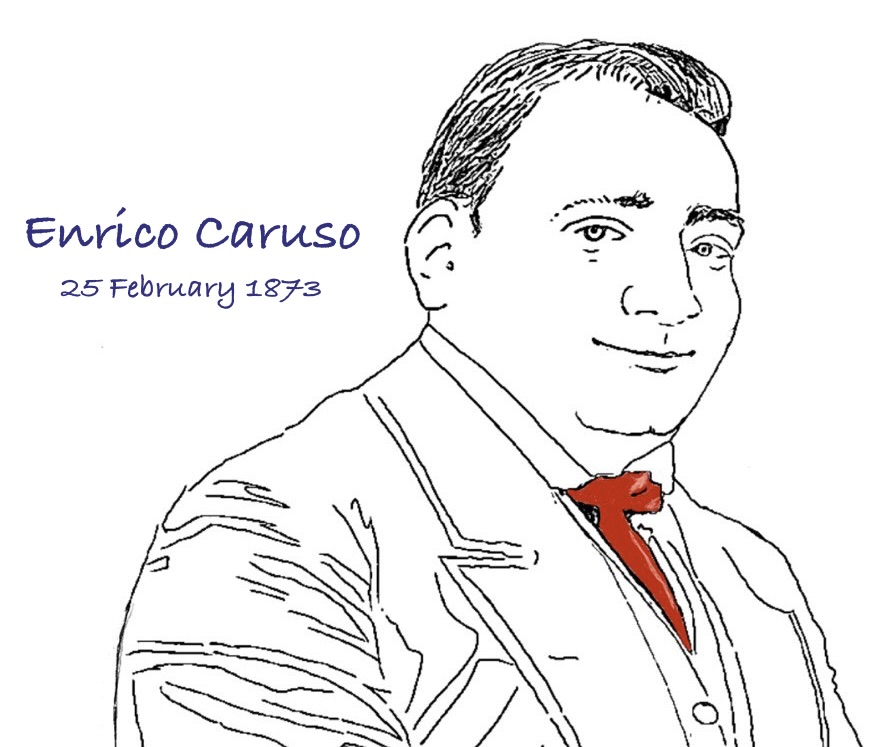
FEBRUARY 25, 2024
The Voice Detective alias Gyaan Lyon freut sich, heute zum 151. Geburtstag von Enrico Caruso die Show The Voice Detective zu starten.
FEBRUARY 25, 2025
On this day in 2024, The Voice Detective aka Gyaan Lyon launched The Voice Detective Show as a free monthly vodcast where interviews with experts from all walks of life about anything and everything to do with the Voice and the Art of Bel Canto aka beautiful singing, are presented by Gyaan. The day of the launch of the show was selected as it’s also the birthday of the great Italian tenor Enrico Caruso.
Enrico Caruso was a once in a lifetime voice; one which captured the imagination of generations of opera and popular music fans and performers alike. And it is fair to say in doing so, he became a household name and an inspiration to every tenor past and present. The Voice Detective humbly pays homage to him on this day.
Enrico was not just a great singer, but a great colleague. Recordings of his voice in duets, trios, quartets and the famous sextet show how he used his vocal skill to enhance the whole effect, generously enabling his co-singers to shine at their best. Quoting just one of many examples noted by music connoisseur and critic J.B. Stearne, when recording with Melba, ‘how gallantly (he) softens his notes so that the unearthly beauty of her high C can rise, free, like Ariel, to the elements.’
Contemporaries of Caruso, who were fortunate enough to witness his performances speak of not just the power of his voice, but above all, ‘it was a matter of quality and style, the natural beauty, the manliness of it…..They speak of the sweetness of his tone, the naturalness of his art and its sincerity.’ We can only wonder at what it would have been like.
Caruso died all too young. In his excellent article on Caruso, Stearne acutely remarks that ‘Caruso’s fate was a tragic portent. The new phenomenon of mass-media was largely the cause. Caruso’s records sold throughout the world, and in the brilliance of their forward, full-bodied tone, they led people to expect the impossible, most particularly a voice of ear-splitting volume. Caruso knew what was expected of him, and gave prodigiously to meet the expectations…. He gave it – the gift of song, and also a rich bounty of his generous nature – but became a victim of his own fame. The undermining of his health would nowadays be seen clearly as stress-induced, a large part of it derived from the unprecedented sale of his voice on records.’
The remarkable consistency of the ‘impossible’ in Enrico Caruso’s vocal performances can be attested by none other than Giacomo Puccini, who in a letter to Tito Ricordi was able to write, ‘Caruso is the usual marvellous Des Grieux,…’ Just like that – how could Caruso be anything less!
ERÖFFNUNG DER SPRACHDETEKTIVSHOW ZUM 151. GEBURTSTAG VON ENRICO CARUSO
FEBRUARY 25, 2024
The Voice Detective alias Gyaan Lyon freut sich, heute zum 151. Geburtstag von Enrico Caruso die Show The Voice Detective zu starten.
FEBRUARY 25, 2025
On this day in 2024, The Voice Detective aka Gyaan Lyon launched The Voice Detective Show as a free monthly vodcast where interviews with experts from all walks of life about anything and everything to do with the Voice and the Art of Bel Canto aka beautiful singing, are presented by Gyaan. The day of the launch of the show was selected as it’s also the birthday of the great Italian tenor Enrico Caruso.
Enrico Caruso was a once in a lifetime voice; one which captured the imagination of generations of opera and popular music fans and performers alike. And it is fair to say in doing so, he became a household name and an inspiration to every tenor past and present. The Voice Detective humbly pays homage to him on this day.
Enrico was not just a great singer, but a great colleague. Recordings of his voice in duets, trios, quartets and the famous sextet show how he used his vocal skill to enhance the whole effect, generously enabling his co-singers to shine at their best. Quoting just one of many examples noted by music connoisseur and critic J.B. Stearne, when recording with Melba, ‘how gallantly (he) softens his notes so that the unearthly beauty of her high C can rise, free, like Ariel, to the elements.’
Contemporaries of Caruso, who were fortunate enough to witness his performances speak of not just the power of his voice, but above all, ‘it was a matter of quality and style, the natural beauty, the manliness of it…..They speak of the sweetness of his tone, the naturalness of his art and its sincerity.’ We can only wonder at what it would have been like.
Caruso died all too young. In his excellent article on Caruso, Stearne acutely remarks that ‘Caruso’s fate was a tragic portent. The new phenomenon of mass-media was largely the cause. Caruso’s records sold throughout the world, and in the brilliance of their forward, full-bodied tone, they led people to expect the impossible, most particularly a voice of ear-splitting volume. Caruso knew what was expected of him, and gave prodigiously to meet the expectations…. He gave it – the gift of song, and also a rich bounty of his generous nature – but became a victim of his own fame. The undermining of his health would nowadays be seen clearly as stress-induced, a large part of it derived from the unprecedented sale of his voice on records.’
The remarkable consistency of the ‘impossible’ in Enrico Caruso’s vocal performances can be attested by none other than Giacomo Puccini, who in a letter to Tito Ricordi was able to write, ‘Caruso is the usual marvellous Des Grieux,…’ Just like that – how could Caruso be anything less!
Episode Nummer eins der Voice Detektivshow mit Liane Keegan, australischer Dramatikerin

Liane wurde in Australien geboren. Ihre Stimme und ihr Gesangstalent wurden schon in jungen Jahren erkannt und sie erhielt Stipendien der Opera Foundation Australia und …
STARTEN UNSERER SPRACHDETEKTIV-WEBSITE ZUM 103. GEBURTSTAG VON MARIO LANZA
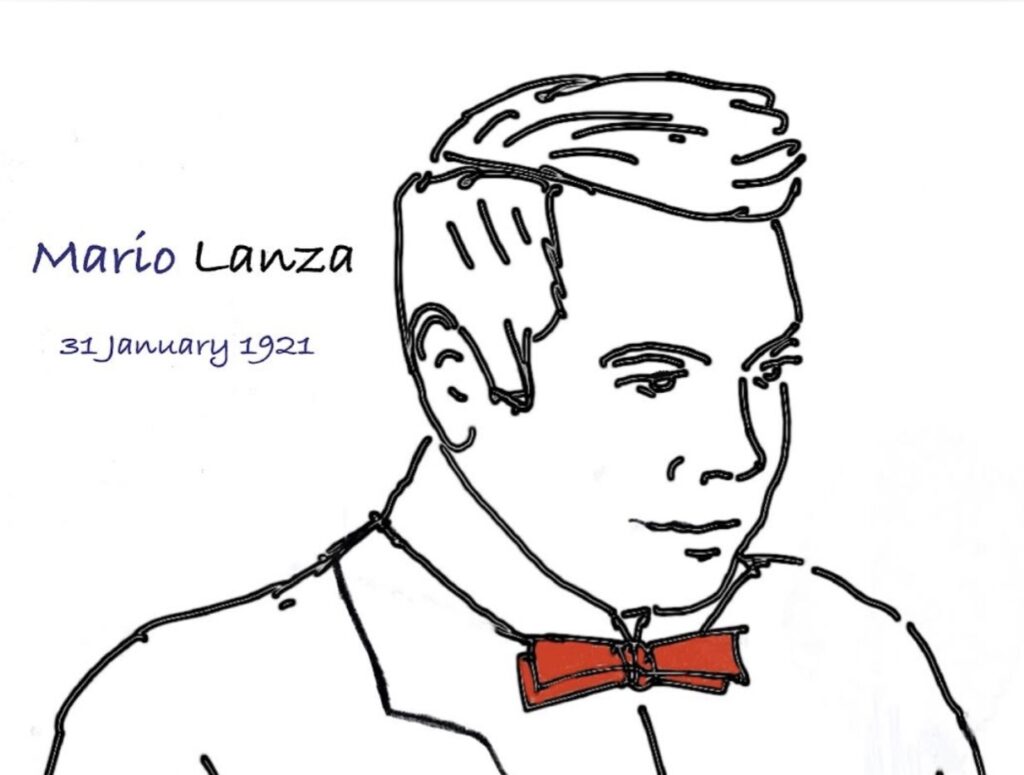
An diesem Tag, dem 103. Geburtstag des großen italienisch-amerikanischen Tenors Mario Lanza, möchte der Voice Detective ihm Tribut zollen. Er wurde von Arturo Toscanini als „die größte Stimme des 20. Jahrhunderts“1 bezeichnet und seine herrliche Stimme beeinflusste jeden Tenor, der danach folgte.
Da er selbst ein angehender Tenor ist, gedenkt The Voice Detective alias Gyaan Lyon diesem großartigen Künstler und treibt mit der Einführung seiner Website voicedetective.com demütig seine eigene Entdeckungsreise in den Bereichen Gesang und Darbietung ins World Wide Web voran. Seine Mission ist es, denjenigen, die Gesang und Gesangskunst lieben, Informationen und Unterhaltung über seine persönliche Gesangsreise der Stimmforschung und alles, was mit Gesang, Oper und Bühne zu tun hat, zu bieten.
Lass uns gehen. Weiter mit der Darbietung!
Und ich bin. Unverschämt!
In an age of great tenors, Mario Lanza was a meteor among the stars; burning more brightly than them all. The legend of Mario Lanza has taken over from the reality of the human being and the great singer that he was. Even his birth has been shrouded in myth. According to one of his earliest biographers Mario claimed the studios wanted his year of birth to be 1921 because it was the year of Caruso’s death. The fact is though, that Mario Lanza came into this world on the 31st January 1921 with the name of Alfredo Arnold Cocozza in South Philadelphia.[1] The name Mario Lanza was in honour of his mother, whose maiden name was Maria Lanza. Maria was from the Abruzzo region and his father Tony Cocozza from Filignano and so Freddy, as he was then known, was a first generation American.
He had the ambition to be an opera singer from an early age, to ‘be the king of the singers, like Caruso’, according to Al de Palma who allowed young Freddy to listen to records at the back of his general goods shop.[2] The future star Mario Lanza listened for hours on end, day in day out, to all the recording artists he could. This penchant for doing everything in the extreme was to characterise Mario’s trajectory in life. He would be renowned for his gargantuan appetite in all things, which included immense generosity and an abiding love of simple pleasures.
His vocal talent was encouraged by his parents and he had early lessons which led to an audition before Dr. Serge Koussevitsky, a renowned Philadelphia Maecenas who in 1942 invited Mario to take part in a summer school run by his musical foundation at Tanglewood, Massachusetts. Among the other alumni of this school, would be one Leonard Bernstein.[3] The draft during the second world war interrupted this promising start, but during the war he was assigned to an entertainment troupe with some future influential friends and budding stars of Hollywood. It was whilst performing in the touring show Winged Victory he came to the attention of Hollywood and met his wife, Betty.[4] Mario had been signed by Columbia before being drafted[5] and when he signed with RCA Victor after being discharged from war service his friend, the future great baritone George London, helped Mario spend his $3000 bonus.[6] In April 1945 Mario and Betty married and lived in New York. Mario was having singing lessons from Polly Robinson and a fellow would-be singer, Sam Weiler heard Lanza and said, ‘What’s the sense in taking lessons? I couldn’t sing like that in a million years’ He later said, ‘I had just heard the greatest voice in the world.’.[7] Weiler decided then and there that he would never be a great singer and immediately proposed to further Mario’s career through his contacts and financial support. An agreement was made, Weiler would fund Mario and his lifestyle and in return he would receive 10% of all Mario’s future gross earnings. Weiler also arranged for Mario to be taught by the much venerated Enrico Rosati, who had trained among others, Gigli. Upon hearing Lanza for the first time, Rosati exclaimed, ‘I have waited thirty-four years for you.’
The rest of the world did not have to wait nearly as long. Mario and George London, together with soprano Frances Yeend formed a travelling trio called the Bel Canto Singers.[8] With Rosati’s watchful eye or ears, and this performing apprenticeship, Mario came to the serious attention of Hollywood, on the 28 August 1947, in the person of none other than Louis B. Mayer at the Hollywood Bowl. And the rest they say ‘is history’.[9] He was signed and began immediately working with Joe Pasternak , with whom Mario was to have a successful but tempestuous working relationship.
Though Mario was only to make a handful of films, each one was carefully tailored to his great vocal gifts. His greatest role would be without doubt Enrico Caruso himself, in the film The Great Caruso. When studio bosses were thinking of not casting Lanza in the title role, with characteristic energy, simplicity and directness, Mario telephoned Mayer and said, ‘I want to play Caruso more than anything in the world.’ Mario later told Callinicos that “I’ll be Caruso every minute of the day.’ [10] And to quote further from Callinicos, ‘The obsession to emulate Caruso, the fantasy of being Caruso, had come to fruition. Now it remained for him to play the part and sing the role, almost as though his destiny were being fulfilled. This was one of the rare occurrences in the entertainment field – or any field, for that matter – where a man actually was given the equipment by God and nature to impersonate an idol. In a sense, and tragically so at the age of thirty, Mario was approaching the climax of his professional…life.’ [11]
Mario seemed to know he was not long for this world. and on occasion expressed such.[12] In all he made a mere seven feature films in which he both acted and sang. He did indeed sing in The Student Prince, his final Hollywood film which had ended with his being replaced on screen. Mario toured and sang extensively throughout the United States in support of his film launches. Despite his physical decline, attributed to over-indulgence followed by binge-dieting, all reports right to the very end state that his voice never declined or failed him. It remained vibrant, beautiful and enormous right to the very end. He died in Rome in 7 October 1959. He was just thirty-eight years old.
[1] CALLINICOS. CONSTANTINE., THE MARIO LANZA STORY, (1960) NO PLACE OR ORIGINAL PUBLISHER GIVEN AMAZON REPRINT 2024. P.29
[2] IBID. P.35
[3] IBID. PP.38-41
[4] IBID.PP. 52-53
[5] IBID.P.41
[6] IBID. P.55
[7] IBID. P59
[8] IBID.65-71
[9] IBID 75-77
[10] IBID.P.109
[11] IBID.P.110
[12] IBID.P110
 DE
DE  EN
EN